
Structured Recovery,
From Demand to Discharge
A Johor Bahru practice working through the debt recovery process in sequence — letter of demand, suit, judgment, enforcement — so each step is carried out properly and the client is informed throughout.
Three Stages of Recovery
Each engagement corresponds to a defined stage in the recovery process. A matter may resolve at the first stage — that is the intention — or proceed through subsequent stages as the circumstances require.
 Stage 01
Demand Correspondence & Pre-Action Recovery
A carefully drafted letter of demand citing the underlying obligation, a reasonable period for response, and direct practitioner engagement where an instalment or settlement arrangement may be structured. A significant portion of recoverable sums resolve at this stage.
- Properly cited demand letter
- Practitioner-to-debtor negotiation
- Full correspondence record returned
 Stage 02
Recovery Suit & Judgment Enforcement
Full representation from pleadings through to judgment and enforcement — writ of seizure and sale, garnishee proceedings, or judgment debtor summons depending on the debtor's asset position. A named practitioner stays with the file from filing to recovery.
- Sessions or High Court representation
- Summary judgment applications
- Monthly status notes for portfolios
 Stage 03
Bankruptcy & Winding-Up Proceedings
Representation in bankruptcy proceedings against individual judgment debtors and winding-up proceedings against corporate debtors, including statutory demand service, petition filing, and coordination with the Insolvency Department or Official Receiver.
- Statutory demand drafting & service
- Petition filing and creditors meetings
- Candid recoverability assessment first
The Case for a Structured Approach
Recovery is most effective when each stage is handled methodically. Our practice is built around that sequence.
Process Before Posture
Recovery work done well is more about structured process than adversarial posture. We follow the steps methodically and inform clients at each turn.
Named Practitioner on File
A named practitioner stays with each matter from intake to resolution. No handoffs to junior clerks or changes mid-file without explanation.
Candid Recoverability Advice
We assess each file and give a plain assessment of what can realistically be recovered before you commit to proceedings. No fees spent on unrecoverable matters.
Limitation Period Awareness
All file intakes include a review of last acknowledgement or payment date. Matters approaching limitation are flagged clearly, early.
Portfolio Client Support
For clients with multiple recovery files, we provide monthly status notes and a consolidated view of outstanding matters, aging, and next steps.
Full Enforcement Range
From writ of seizure and sale through garnishee and judgment debtor summons to bankruptcy and winding-up — all enforcement tools available in a single practice.
A File Can Only Be Closed Once It's Properly Opened
Send us the key details of your claim and we will come back with a plain view of what the file shows and what the options are. No commitment required to receive the assessment.
Frequently Asked Questions
Practical questions about the recovery process, answered plainly.
What information do you need to assess a debt file?
How does the Sessions Court versus High Court distinction affect my claim?
What is the limitation period for a debt claim in Malaysia?
What happens after a judgment is obtained? How is enforcement carried out?
When is it appropriate to pursue bankruptcy or winding-up rather than a civil suit?
What is a default judgment and when can it be obtained?
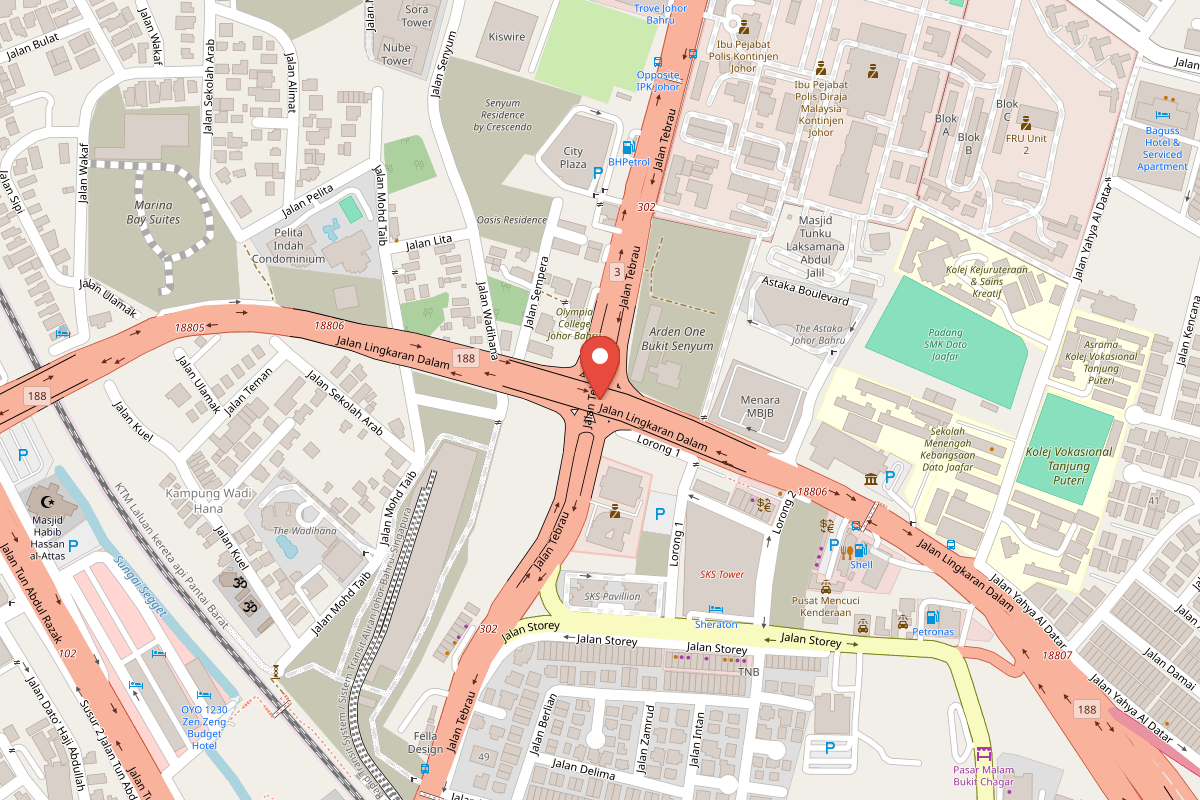
Find Our Office
73, Jalan Tebrau, 80300 Johor Bahru, Johor, Malaysia
Submit a File for Assessment
Send us the particulars of your claim. A practitioner will review the file and come back with a plain-language assessment of recoverability and available options.
Contact Details
80300 Johor Bahru
Johor, Malaysia
Response Time
File assessments are ordinarily returned within 2 working days. Matters approaching limitation are flagged for priority review.